
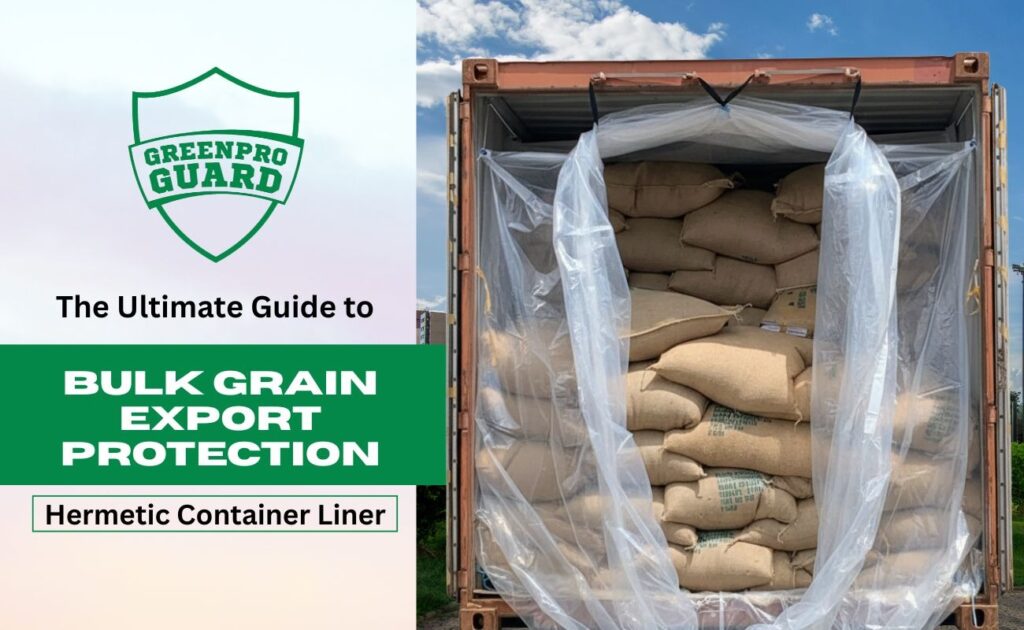
Why Hermetic Container Liners Are Transforming Agricultural Exports
Agricultural exports are highly vulnerable to moisture, pests, contamination, and temperature fluctuations. Farmers and exporters invest months of effort into cultivation, harvesting, and processing. Yet a single shipping cycle can undo that hard work if storage conditions are not controlled properly.
Hermetic Container Liners have emerged as a reliable safeguard for bulk agricultural shipments. These liners are installed inside standard shipping containers to create an airtight internal environment. By limiting oxygen exchange and blocking moisture ingress, they protect grains, pulses, oilseeds, coffee, and other dry commodities during long transit periods.
For modern agriculturists and exporters, quality preservation is no longer optional. Global buyers expect consistency, food safety compliance, and minimal contamination risk. A strong hermetic solution ensures these expectations are met.
Understanding How Hermetic Container Liners Work
Hermetic Container Liners function by creating a sealed micro-environment inside the container. Once the commodity is loaded and the liner is properly sealed, oxygen levels inside begin to decrease naturally due to respiration of the stored produce and microorganisms. Carbon dioxide levels rise accordingly. This modified atmosphere suppresses insect activity and fungal growth without the use of chemicals.
The liner material is typically a multi-layer barrier film designed to resist oxygen transmission and water vapour penetration. This technology prevents condensation, which is a common problem during sea shipments. Temperature fluctuations between day and night often cause moisture to condense on container walls. Without protection, that moisture can damage cargo.
By acting as an internal shield, Hermetic Container Liners prevent contact between the commodity and external contaminants such as odors, residues from previous loads, or ambient humidity.
Step-by-Step Guide to Using Hermetic Container Liners
1. Inspect the Container
Before installation, ensure the shipping container is clean, dry, and free from sharp objects. Any protrusions can puncture the liner. Proper inspection reduces risk.
2. Install the Liner Correctly
The liner is fitted along the container walls and floor. It must be positioned evenly without folds or tension points. Correct installation ensures uniform sealing.
3. Load the Commodity Carefully
Bulk materials such as rice, wheat, maize, coffee beans, or pulses should be loaded evenly. Avoid sharp tools during loading to prevent accidental tears.
4. Seal the Liner Airtight
After loading, the liner opening is sealed using recommended sealing methods. This step is critical. Incomplete sealing compromises the hermetic solution.
5. Monitor During Transit
While hermetic storage does not require active ventilation, exporters should maintain documentation and track shipping duration. Extended voyages remain safe if sealing is intact.
Key Benefits for Farmers and Exporters
-
-
Moisture Protection
-
Humidity is the biggest enemy of stored agricultural goods. Hermetic liners block external moisture and prevent internal condensation damage.
-
-
Pest Suppression Without Chemicals
-
Traditional fumigation uses chemicals that leave residues. A hermetic solution works naturally by lowering oxygen levels. This supports cleaner exports and easier compliance with international regulations.
-
-
Reduced Weight Loss
-
Moisture fluctuations often cause weight fluctuations, affecting the final shipment value. Stable internal conditions minimise this variation.
-
-
Extended Shelf Life
-
By controlling environmental factors, Hermetic Container Liners significantly extend storage life. This allows exporters to manage supply chains more efficiently.
-
-
Improved Food Safety Compliance
-
International buyers demand strict quality standards. Using high-quality liners from reliable container liners suppliers helps ensure shipments meet food safety norms.
Choosing the Right Container Liners Suppliers
Not all liners are equal. Farmers and exporters should evaluate container liners suppliers based on material quality, barrier performance, installation support, and compliance certifications. A trusted supplier provides technical guidance and product consistency.
Look for suppliers who offer customized sizes and thickness levels suited for different commodities. The best hermetic solution adapts to crop type, climate, and shipment duration.
Common Mistakes to Avoid
-
- Neglecting Moisture Checks: A common error is failing to verify the commodity’s moisture content before loading.
- Trapping Internal Humidity: While the liner blocks external moisture, it simultaneously traps any excess moisture already present within the grain.
- Inadequate Drying: Exporters must ensure products are dried to recommended levels, generally below 13% for most grains, before sealing.
- Overstuffing the Container: Excessive loading can put undue stress on the liner seams, compromising the airtight seal.
Avoiding these mistakes ensures maximum performance and product protection.
Why Greenpro Guard Is a Reliable Choice
Greenpro Guard provides advanced hermetic packaging systems designed for real agricultural export challenges. Our Hermetic Container Liners are engineered with high-barrier technology to protect bulk cargo across diverse climatic conditions.
We support farmers, agriculturists, and exporters with solutions that reduce post-harvest losses, maintain quality, and improve profitability. Our integrated hermetic solution portfolio includes container liners, hermetic bags, and bulk packaging systems tailored for global trade.
With Greenpro Guard, you gain more than packaging. You gain confidence in every shipment.
Agricultural exports demand precision and protection. Moisture, pests, and contamination risks cannot be ignored. Hermetic Container Liners provide a practical and science-backed method for preserving quality during transit.
If you are serious about protecting your harvest and strengthening your export reputation, choose Greenpro Guard hermetic bags and liners.
FAQ
They are used to create an airtight environment inside shipping containers to protect bulk agricultural commodities from moisture, pests, and contamination during transit.
In many cases, yes. The oxygen-deprived environment naturally suppresses pests, reducing or eliminating the need for chemical fumigation.
Protection depends on commodity type and conditions, but properly sealed liners can safely preserve goods for several months during shipment.
They are ideal for dry commodities such as grains, pulses, coffee, and oilseeds that require moisture and oxygen control.
Select suppliers with proven barrier performance, food-grade certification, and technical installation support to ensure maximum protection.