
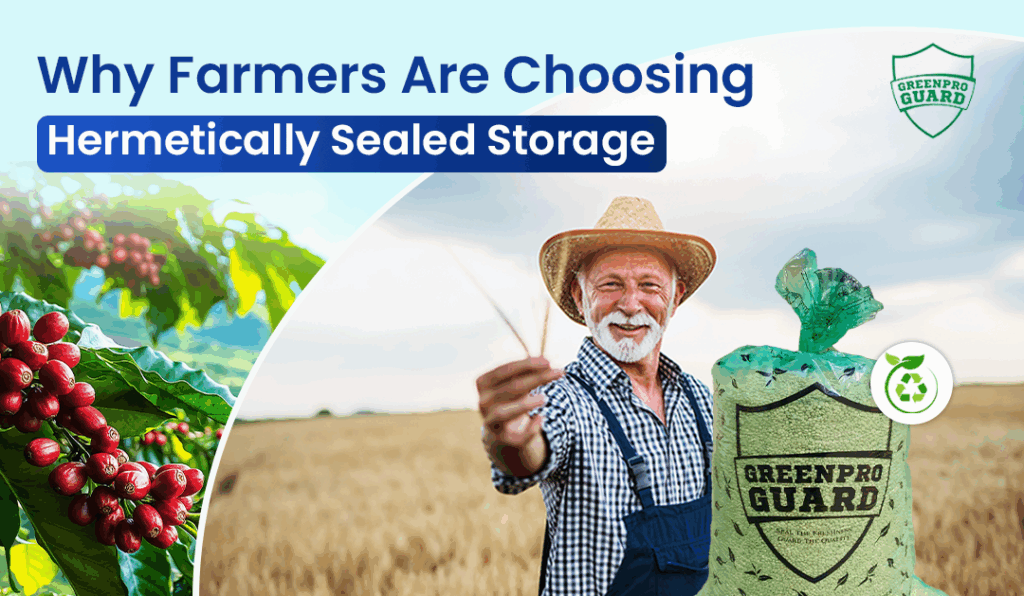
The Environmental Benefits of Using Hermetically Sealed Storage in Agriculture
In the global food system, a substantial portion of food is lost before it reaches the consumer. This is a staggering crisis of both economics and ecology. The problem intensifies during post-harvest management, particularly during storage. Traditional grain storage methods, such as woven sacks or open warehouses, leave harvested crops vulnerable. Insects, rodents, and moisture invade these spaces. The resulting food loss is not just a commercial failure; it is an environmental disaster.
Consider the resources poured into producing that lost food: land, water, fertiliser, and fuel. When a portion of the harvest spoils, all those embedded resources are wasted. This waste contributes directly to greenhouse gas emissions without providing any nutritional benefit. For the modern farm, food loss is a drain on efficiency. The planet is a driver of climate change.
The primary solution to this pervasive problem lies in creating a controlled, protective environment. The technology of hermetically sealed bags offers exactly this. These bags shift the paradigm from passive storage, where losses are expected, to active preservation, where quality is guaranteed. This change is not just financially sound; it is profoundly beneficial for the environment.
Eliminating Chemicals: The Core Environmental Benefit of Hermetically Sealed Bags
The most significant environmental advantage of hermetically sealed bags is the dramatic reduction in the need for chemical pesticides and fumigants.
In conventional grain storage, the primary defense against pests—like weevils, borers, and moths—is chemical treatment. Fumigation uses potent, often toxic, substances to kill insects. These chemicals, while effective, carry serious environmental and health risks:
- Soil and Water Contamination: Chemical residues can leach into the environment, contaminating soil and local water sources.
- Worker Safety: Handlers and farm workers are exposed to these toxic compounds.
- Residue on Food: Traces of these chemicals remain on the stored grain, compromising food safety standards.
Hermetic bags eliminate this reliance. They operate on a simple, natural principle: modified atmosphere storage. Once the bag is sealed, the metabolic activity of the grain, insects, and any microorganisms inside consumes the trapped oxygen. The carbon dioxide concentration rises simultaneously. This process quickly creates an oxygen-deprived (anoxic) environment. Pests cannot survive in this atmosphere; their life cycles are stopped cold. This chemical-free approach is a win for the ecosystem, the food chain, and public health.
The environmental benefit is clear: zero chemical discharge into the air, water, or soil. This aligns perfectly with sustainable and organic farming principles, providing a clean solution for responsible post-harvest management.
Reducing Food Waste: Lowering Agriculture’s Carbon Footprint
The environmental impact of agriculture is vast, and food waste is a major contributor to global greenhouse gas emissions. When food is produced and then wasted, it generates emissions at every stage—from production to transport to eventual decomposition in landfills.
Grain storage bags that are not truly airtight can result in quantitative losses (weight loss from pests eating the grain) and qualitative losses (spoiled grain due to mold and moisture). These losses can reach significant percentages in vulnerable regions.
Hermetic storage directly tackles this waste stream:
- Stops Loss, Saves Resources: By preventing insect infestation and maintaining stable moisture content, hermetic bags can reduce grain storage losses by over 90% compared to traditional methods. Saving one tonne of rice or wheat is equivalent to saving the land, water, and energy used to grow it.
- Preserves Quality: The bags protect the nutritional value, color, and aroma of the crop. For high-value commodities like coffee, quality preservation is paramount. A coffee roaster relies on the green bean’s integrity; hermetic solutions ensure the bean remains market-ready for longer, reducing the need to prematurely discard inventory.
- Extends Shelf Life: The controlled environment inside the bag dramatically extends the safe storage life of the grain. This allows farmers and distributors to wait for optimal market prices, rather than being forced to sell damaged goods quickly, further reducing the likelihood of the product being wasted.
Ultimately, by minimizing food waste, hermetic bags effectively lower the carbon footprint of the entire agricultural supply chain. They ensure that the energy spent on farming actually results in nourishing food, rather than contributing to landfill methane and wasted resources.
Sustainability and Longevity: A Responsible Choice for Grain Storage
While producing multi-layer plastic products does have an environmental footprint, hermetic bags offer long-term benefits that outweigh the initial impact. Their durability allows for multiple seasons of reuse when handled properly, reducing the need for constant replacements. This extended usability makes them more sustainable than traditional grain storage methods. Many hermetic bags are also recyclable, adding to their eco-friendly appeal.
By effectively protecting stored grains from moisture, pests, and mold, hermetic bags play a vital role in reducing post-harvest losses. This is especially important in regions where storage challenges affect food availability. Improved grain storage helps stabilise local supply chains and reduces the dependence on long-distance imports, which in turn lowers global carbon emissions from food transport.
Choosing hermetically sealed bags is more than a packaging choice—it is a commitment to food security, sustainability, and responsible post-harvest management in modern agriculture.
Make chemical reliance and food loss problems of the past. Protect your valuable grains, pulses, and even premium coffee beans with a sustainable, high-barrier packaging solution. Learn more about how Greenpro Guard can fit your specific grain and coffee packaging needs
FAQ
Hermetically sealed bags create an airtight environment. The natural respiration of the stored grain, insects, and microorganisms rapidly consumes the oxygen, leading to an anoxic state. Pests cannot survive in this atmosphere, eliminating the need for toxic fumigants
Reducing food loss saves all the embedded resources, including land, water, fertilizer, and fuel, used to grow the crop. It also reduces greenhouse gas emissions from wasted food decomposing in landfills, directly lowering agriculture’s carbon footprint.
Yes. By eliminating chemical use and being durable enough for multi-season reuse, hermetic bags are highly sustainable. They significantly increase the usable lifespan of the harvested product, which is the most critical factor in agricultural sustainability.
Hermetic storage restricts the moisture vapor exchange with the outside environment. This stability inhibits the growth of aerobic molds and fungi, preventing the formation of harmful mycotoxins, provided the grain is dried to a safe moisture level before sealing.
Absolutely. The precise climate control offered by hermetic bags is crucial for high-value commodities like coffee. It prevents oxidation and moisture damage, preserving the unique flavour and aroma, which is essential for the reputation of any coffee roaster.