
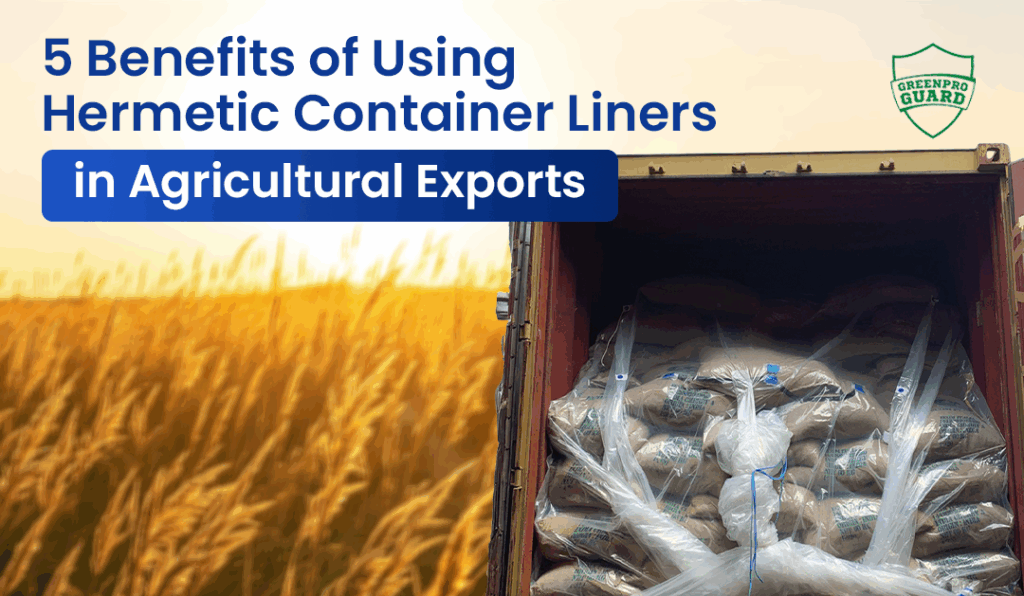
5 Essential Benefits of Using Hermetic Container Liners in Agricultural Exports
The global trade of agricultural commodities, particularly staple crops like rice and grain, faces constant challenges from environmental risks and pests. For container liners suppliers and exporters, ensuring that these vital products maintain their quality during vast distances and unpredictable conditions is non-negotiable. Traditional storage of food grains often relies on standard bulk methods, but these systems are inadequate against extreme climate shifts and pest infestations. The solution is the advanced hermetically sealed container liner.
These specialized liners transform standard shipping containers. They create a protective, modified atmosphere within the shipping unit, effectively isolating the agricultural cargo from external threats. Adopting a hermetic container system is a critical, authoritative strategy for protecting the integrity and value of high-volume crops like whole grain rice.
1. Superior Pest and Insect Control Without Chemicals
One of the most immediate and critical benefits of using a hermetic container is its ability to support non-chemical pest management. When agricultural products like pulses, seeds, or rice and grains are sealed inside, the commodity’s natural respiration and any existing insects consume the available oxygen.
- The resulting low-oxygen, high-carbon dioxide atmosphere is naturally lethal to nearly all insect pests at all life stages.
- This specialized process eliminates the need for toxic and costly fumigation treatments, which can leave residues and complicate international trade. This makes food grain storage cleaner, safer, and compliant with increasingly stringent global phytosanitary regulations.
2. Precise Moisture Regulation and Quality Preservation
Moisture migration is the primary threat to stored commodities. Exposure to high relative humidity, which is common in low-altitude ports and during long sea voyages, can rapidly lead to caking, microbial growth, and the formation of mycotoxins in grains. Hermetically sealed container liners provide an absolute, physical barrier against this external moisture.
- They prevent the product from absorbing damaging humidity that is pervasive during transcontinental shipping and storage in humid container liners and suppliers’ facilities.
- By maintaining the original, optimal moisture content of the commodity, crucial qualities, such as the texture and milling yield of whole grain rice, are preserved, ensuring the product meets rigorous contract specifications upon arrival.
3. Extended Shelf Life and Mitigation of Spoilage
Spoilage and degradation are accelerated by exposure to oxygen and heat. By creating a controlled, low-oxygen internal atmosphere, the hermetic container system dramatically slows down the aerobic respiration of the product and inhibits the oxidation of inherent fats and oils.
- This stabilization process is essential for seeds and staple commodities that require long-term storage of food grains or extended shipping periods. The reduction in oxygen slows enzymatic activity and microbial proliferation, significantly extending the product’s shelf life and protecting its market value.
4. Nutritional Value and Integrity Locked In
The commercial value of exported grains and seeds is directly tied to their nutritional profile and structural integrity. Commodities such as speciality grains and whole-grain rice contain essential nutrients and volatile compounds that can quickly dissipate or degrade when exposed to ambient air.
- Traditional packaging offers insufficient protection, allowing valuable nutrients to degrade and off-flavors to contaminate the product.
- Airtight storage containers provided by leading container liner suppliers seal in these desirable characteristics, delivering the cargo to the buyer with the quality precisely maintained, thus securing a higher return on investment and safeguarding the brand reputation of premium agricultural products.
5. Increased Supply Chain Efficiency and Reduced Loss
The use of hermetic liners directly yields economic benefits through streamlined logistics and near-zero product loss. When a product is protected from pests, mould, and moisture, the rate of spoilage, both quantitative and qualitative, is eliminated.
- Reduced product loss means the delivered quantity and quality closely match the loaded quantity and specification, eliminating costly claims and disputes that frequently impact the agricultural trade.
- The robust liner protection simplifies handling, reduces the need for costly reprocessing or conditioning upon arrival, and provides a clean, hygienic transport solution for bulk cargo, leading to measurable improvements in global supply chain efficiency for the storage of food grains.
Protecting Grains Across Climates and Altitudes
Agricultural exports are highly sensitive to the environmental extremes encountered during global transit. High-altitude grain storage locations may face unique atmospheric pressures, while shipping through tropical zones exposes cargo to damaging heat and humidity. These environmental factors can compromise moisture absorption and pest viability, particularly during extended storage of food grains.
GreenPro Guard products are engineered to protect against these variables. Their specialized hermetic technology creates a secure, moisture-locked internal environment, neutralizing the threats posed by varying climate and altitude conditions. This protective shield ensures staple commodities like rice and grains maintain their optimal moisture content and structural integrity, regardless of the journey’s length or environmental conditions.
Do not allow the unpredictable global environment to compromise the quality and value of your agricultural exports. Protect your profits, secure your reputation, and ensure absolute quality control regardless of climate or altitude. Make the conscious choice today to partner with GreenPro Guard for your hermetically sealed container and airtight storage containers needs, guaranteeing your cargo arrives exactly as intended.
FAQ
The liners seal the product, allowing natural respiration to consume oxygen. This creates a low-oxygen, high-carbon dioxide atmosphere that is quickly lethal to all stages of insect life, preventing infestations and grain damage.
Yes, they are highly effective for various commodities, including pulses, seeds, nuts, and staple crops like whole grain rice. They protect any product sensitive to moisture, pests, or oxidation during long-term storage.
The liners are an impermeable barrier. They prevent the external humidity, common in tropical climates or during sea freight, from migrating into the cargo and raising the internal moisture content of the rice and grain.
A standard liner only offers basic contamination protection. A hermetic liner, like an airtight storage container, offers an absolute barrier against oxygen and moisture, creating a modified, stable microclimate for product preservation.
Absolutely. By drastically reducing spoilage, eliminating the need for expensive chemical fumigation, and minimizing product loss claims, the upfront investment is quickly recouped through higher profits and greater supply chain reliability.